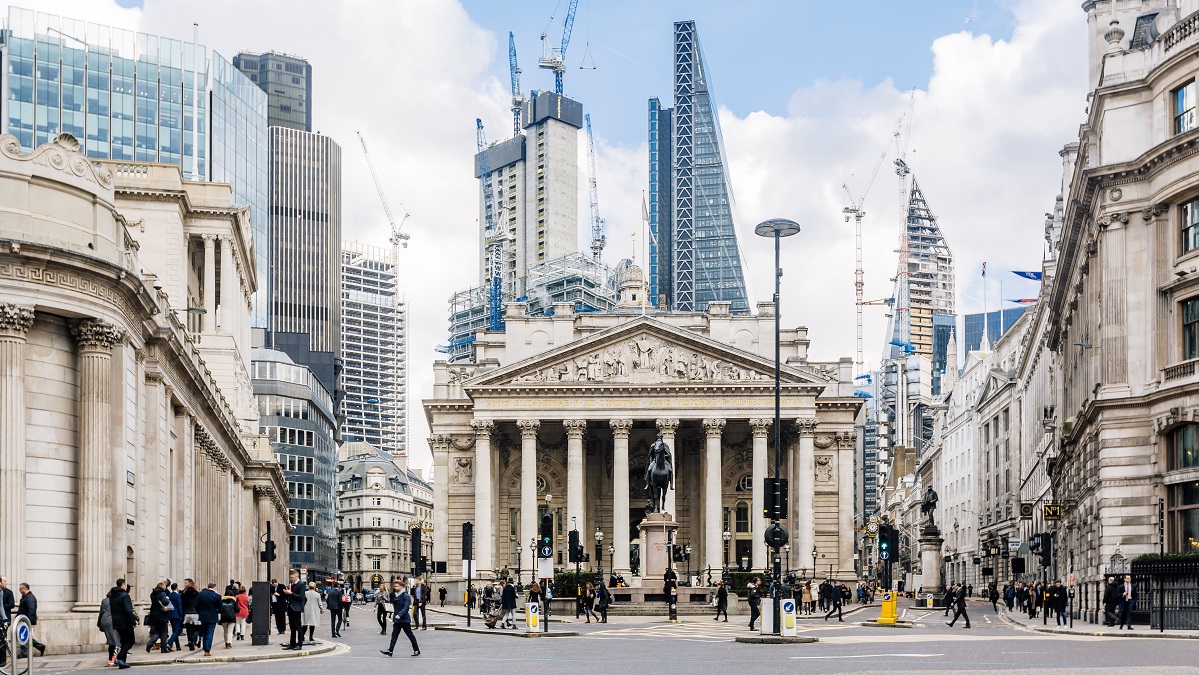
In a tepid response to Andy Burnham becoming Britain’s sixth prime minister in ten years, the major UK stock indexes closed lower on Monday as ongoing U.S.-Iran tensions drained risk sentiment globally.
The globally focused FTSE 100 (.FTSE) saw its largest one-day decline in about two weeks as it opened a new tab down 0.7%. The small-cap index (.FTSC), opens new tab, dipped 0.2%, while the mid-cap FTSE 250 (.FTMC), opens new tab, dropped 0.3%.
In order to provide a new economic model and revitalize a country “fed up” with a succession of leaders, Burnham promised to reshape British politics. On Tuesday, he promised to take urgent action to reduce the daily stress that Britons face.
His pick of finance minister will be a crucial initial decision. Previous administrations were overthrown by conflict in this branch of government. “His Chancellor will have to appraise a tighter fiscal background.” According to Sanjay Raja, chief UK economist at Deutsche Bank, “headroom is limited, with earlier buffers largely eroded by higher rates, a worse macro-outlook, and heightened geopolitical threats.”
Interior Minister Shabana Mahmood currently seems to be the front-runner for the role after energy security and net zero minister Ed Miliband, an early front-runner, was the target of negative briefings.
Among the key FTSE 350 sectors, interest-rate-sensitive homebuilders (.FTNMX402020) opens a new tab with losses of 3.5%. The yield on long-dated British government bonds increased slightly, with the 30-year note reaching a two-month high.
AstraZeneca (AZN.L), the second most valuable company in the UK in terms of market capitalization, dropped 1.7%. Utilities (.FTUB6510), which are frequently traded as bond proxies due to their consistent stream of dividends, dipped 1.4%. Heavyweight Pharma and Biotech stocks (.FTNMX201030), opened new tab, lost 1.6%.
As the U.S. strikes on Iran reached their ninth day in a row, risk sentiment remained uncertain throughout the world. The Houthis in Yemen, who are allied with Iran, also declared that they were putting Saudi Arabia under naval siege.
More on Reuters